

Cavallegend Lack – Premium full patent dressage boot from Cavallo

Cavallegend Lack
US$954.00
8-10 weeks
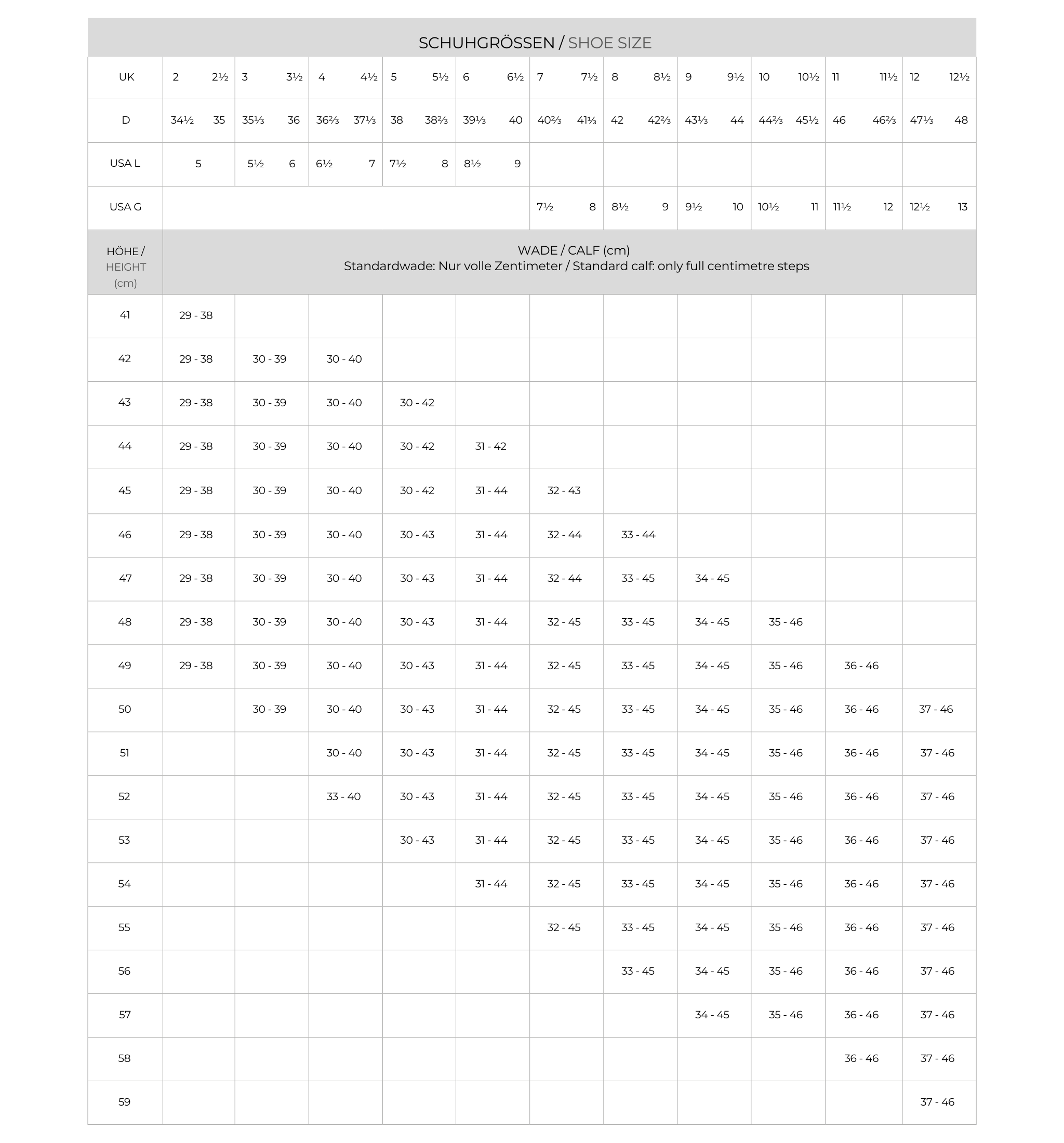
Size guide
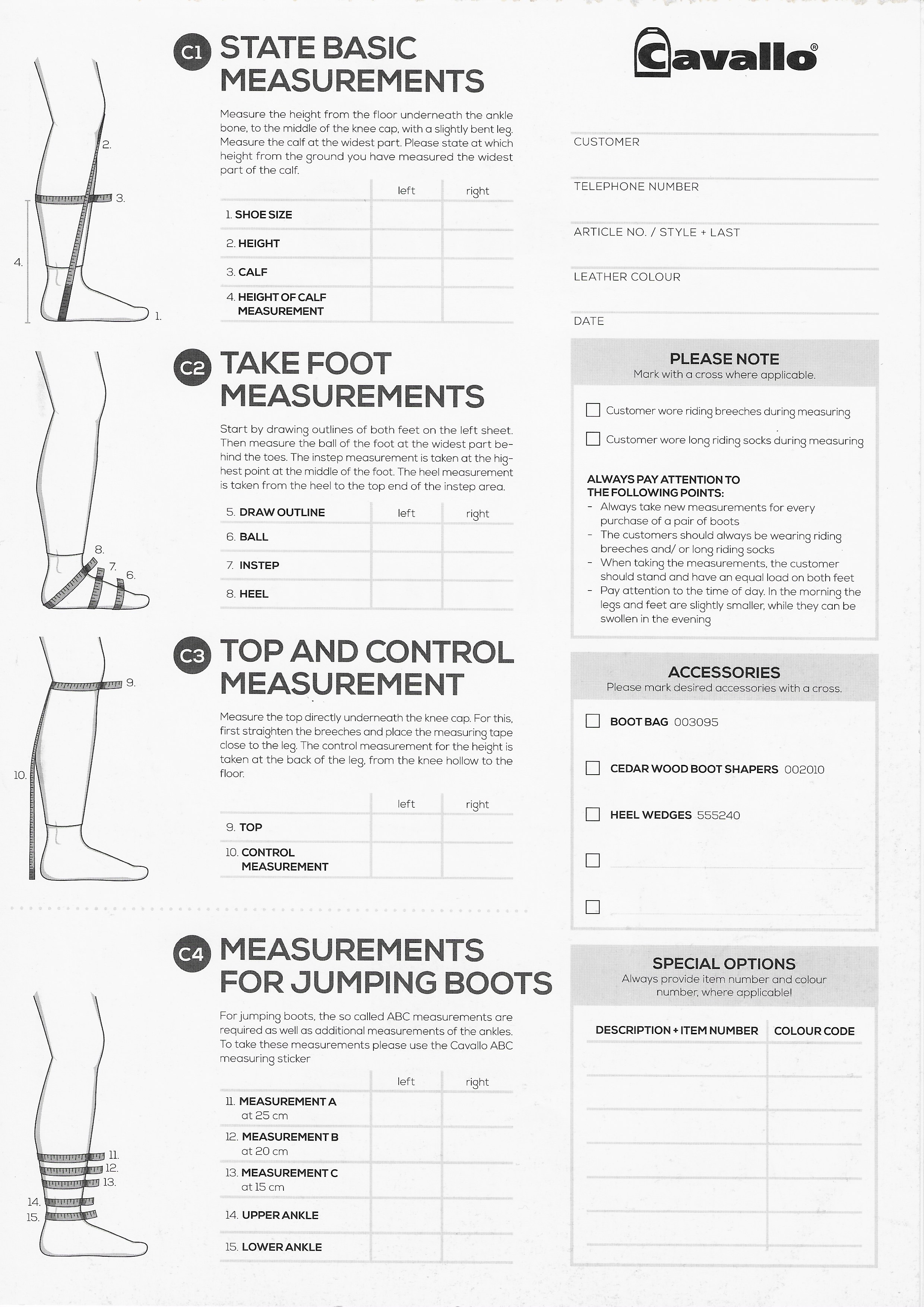
Riding boot help
Care advice

Product description
GPSR Information
Terms & Conditions
Cavallegend Lack – Premium full patent dressage boot from Cavallo
Cavallegend Lack is an exclusive version of the innovative Cavallegend model, crafted from premium calfskin with full patent finish – both on the shaft and the foot. The more durable patent on this model makes it possible to have a glossy finish on the foot as well, creating an elegant and unified overall look.
The boot combines the Cavallegend model’s slim, modern silhouette with high comfort and functionality. With its high dressage bow, reinforced outer shaft, and black inner grip leather panel, Cavallegend Lack offers both stability and correct leg support, while the glossy surface adds a luxurious and stylish appearance in the saddle.
Features:
- Premium full patent calfskin – elegant and durable
- Slim leg silhouette – modern and stylish shape
- High dressage bow – 8 cm
- Inner black grip leather panel – enhanced leg contact
- Reinforced outer shaft – stability and correct leg support
- Anatomically shaped footbed with comfort sole
- Inner front zipper – easy on and off
- Color: Black
Order Information:
Riding boots are available by special order only – please refer to the Boot Fitting Help tab for more information.
At Hogsta Ridsport, all boots are made to order following personal consultation.
If you’re taking your own measurements at home, it is crucial that they are accurate.
We cannot be held responsible for incorrect measurements provided by the customer.
Follow our measurement guide and check whether your dimensions fit within the standard size chart.
Please note: The right of withdrawal does not apply to custom-ordered riding boots.
If you need a custom fit, we’re happy to assist you in-store at Hogsta, Drottningholm in Stockholm.
Contact us by phone at +46 (0)8-759 05 07 or email info@hogstaridsport.com for advice and to book a fitting appointment.